Learn proven strategies for recruiting, engaging, and retaining employer partners who provide meaningful work-based learning opportunities.
Strong employer partnerships are the backbone of successful work-based learning programs. These relationships provide students with authentic workplace experiences while meeting business needs.
Identifying Potential Partners
Start by targeting employers who align with your program goals:
-
Industry Alignment – Focus on sectors matching student career interests
-
Geographic Accessibility – Consider transportation options for students
-
Company Culture – Seek organizations committed to youth development
-
Capacity to Mentor – Ensure employers can provide adequate supervision
Making the Initial Approach
Present a compelling value proposition to potential partners:
-
Highlight Business Benefits – Access to motivated talent, community goodwill, fresh perspectives
-
Minimize Administrative Burden – Explain how your tracking system simplifies participation
-
Provide Clear Expectations – Outline time commitments and responsibilities upfront
-
Share Success Stories – Demonstrate program impact with testimonials and data
Maintaining Long-Term Relationships
Keep partners engaged and satisfied:
-
Regular Communication – Check in throughout placements, not just when problems arise
-
Recognition Programs – Publicly acknowledge employer contributions
-
Gather Feedback – Continuously improve based on employer input
-
Provide Support – Offer resources and training for workplace mentors

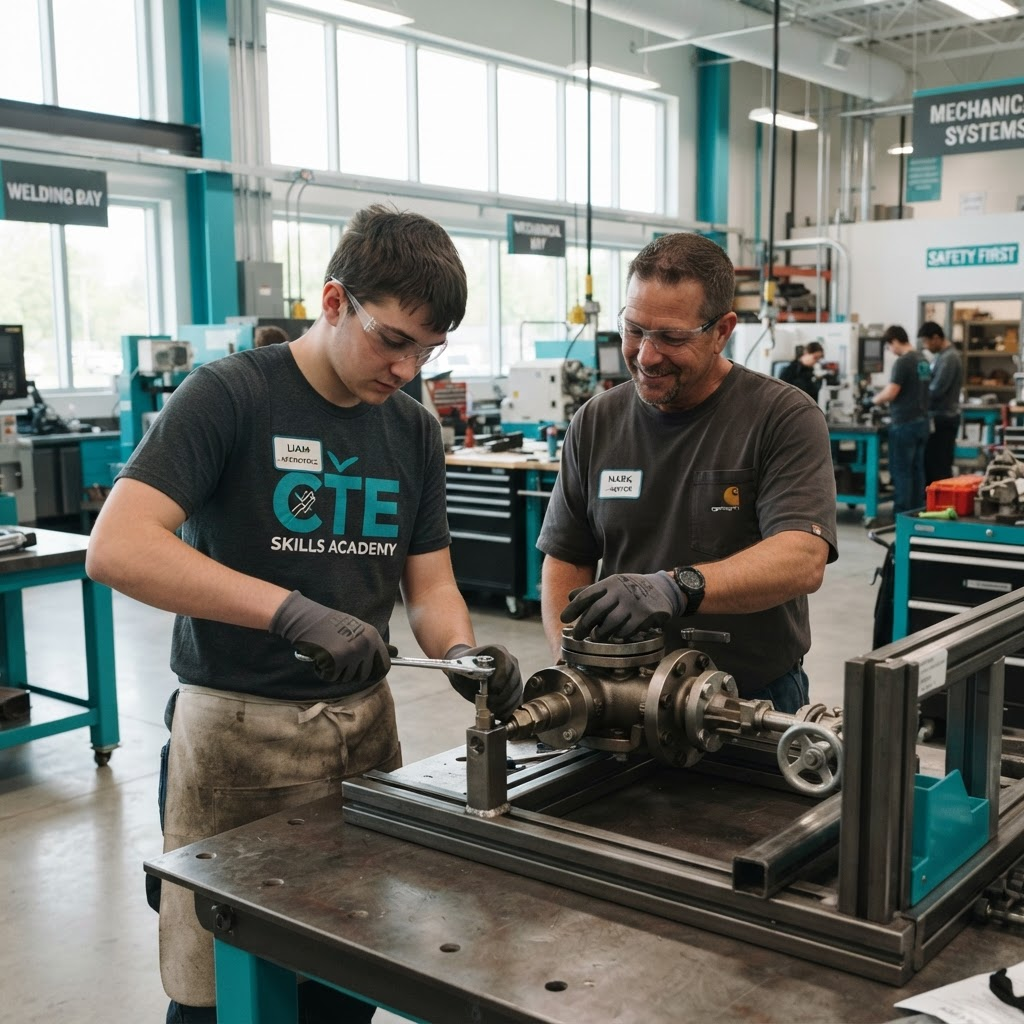
Students collaborating in a work-based learning environment
About the Author
WBL Tracker Team
Education Technology Experts
The WBL Tracker team consists of former educators and coordinators who understand the challenges of managing work-based learning programs. We're dedicated to helping schools save time and improve student outcomes.
Ready to Transform Your WBL Program?
Join coordinators who are saving 10+ hours per week with automated tracking and compliance reporting.