Discover key metrics and evaluation strategies to assess and improve your work-based learning program's effectiveness and student outcomes.
Measuring program success goes beyond tracking hours. Effective evaluation helps coordinators demonstrate impact, secure funding, and continuously improve student experiences.
Quantitative Metrics
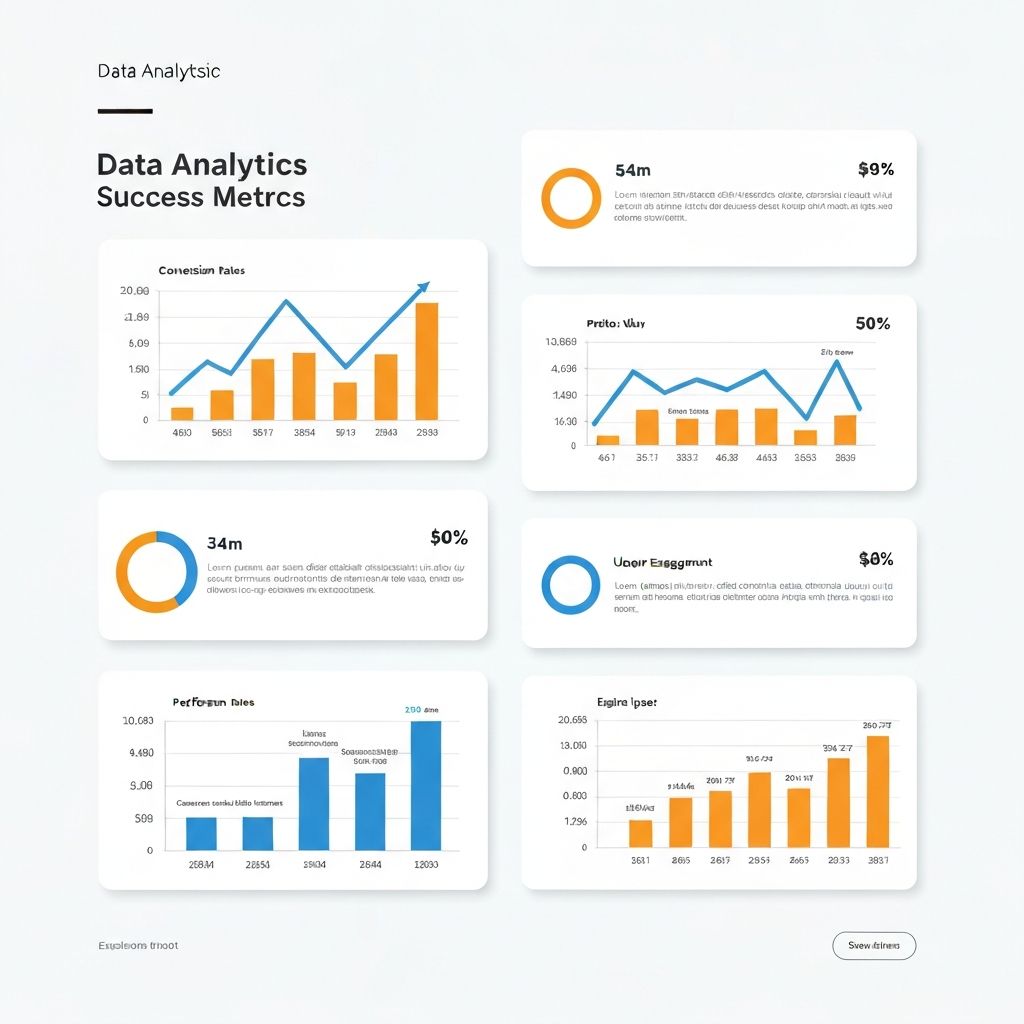
Track these key performance indicators to measure program health:
-
Completion Rates – Percentage of students meeting hour requirements
-
Placement Success – Number of students successfully matched with opportunities
-
Employer Retention – Percentage of employers participating year-over-year
-
Post-Program Outcomes – Employment or college enrollment rates
Qualitative Assessment
Gather feedback to understand the full impact of your program:
-
Student Surveys – Assess skill development and career readiness
-
Employer Feedback – Evaluate student performance and program value
-
Success Stories – Document transformative student experiences
Continuous Improvement
Use data to drive program enhancements:
-
Regular Program Reviews – Analyze metrics quarterly to identify trends
-
Stakeholder Input – Involve students, employers, and staff in improvement planning
-
Benchmark Against Standards – Compare your program to state and national best practices

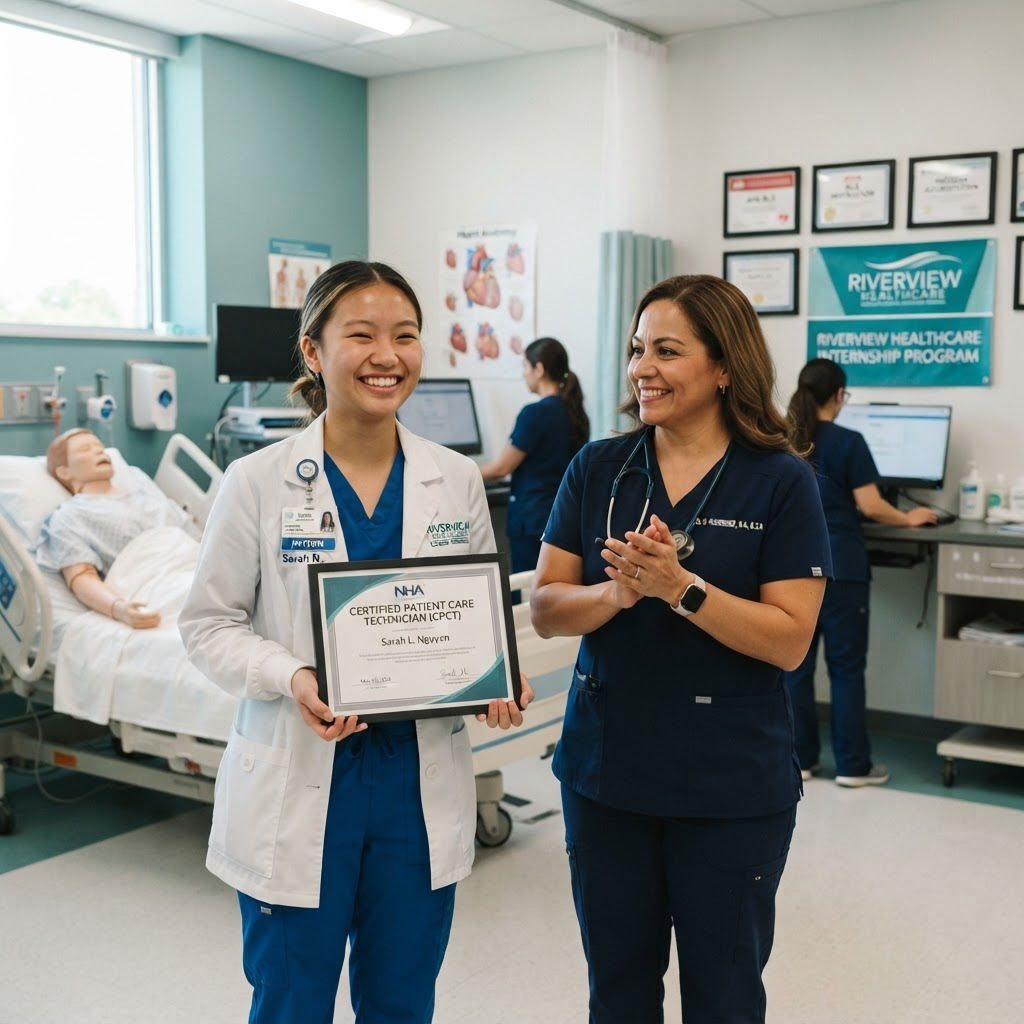
Students collaborating in a work-based learning environment
About the Author
WBL Tracker Team
Education Technology Experts
The WBL Tracker team consists of former educators and coordinators who understand the challenges of managing work-based learning programs. We're dedicated to helping schools save time and improve student outcomes.
Ready to Transform Your WBL Program?
Join coordinators who are saving 10+ hours per week with automated tracking and compliance reporting.