New York is phasing out Regents exams and moving to a competency-based diploma by 2029 — with work-based learning as a required graduation pathway. Here's your playbook for the next year, plus a free competency mapping template to download.
On June 29, 2026, the New York State Education Department and Board of Regents announced something that fundamentally changes what CTE coordinators do for the next three years. Starting in fall 2029, New York will award diplomas based on demonstrated competency, not seat time or Regents exam scores. And work-based learning is now a required pathway to graduation.
If you're a coordinator in a New York school or district, this is your agenda for the next year. If you're outside New York, read this anyway — because what New York does today, most states follow within 18 months.
What Exactly Changed
New York is phasing out Regents exams as graduation requirements and replacing them with a competency-based system anchored by eight Portrait of a Graduate competencies: critical thinking, communication, academic preparation, global citizenship, creativity, innovation, reflection, and future planning.
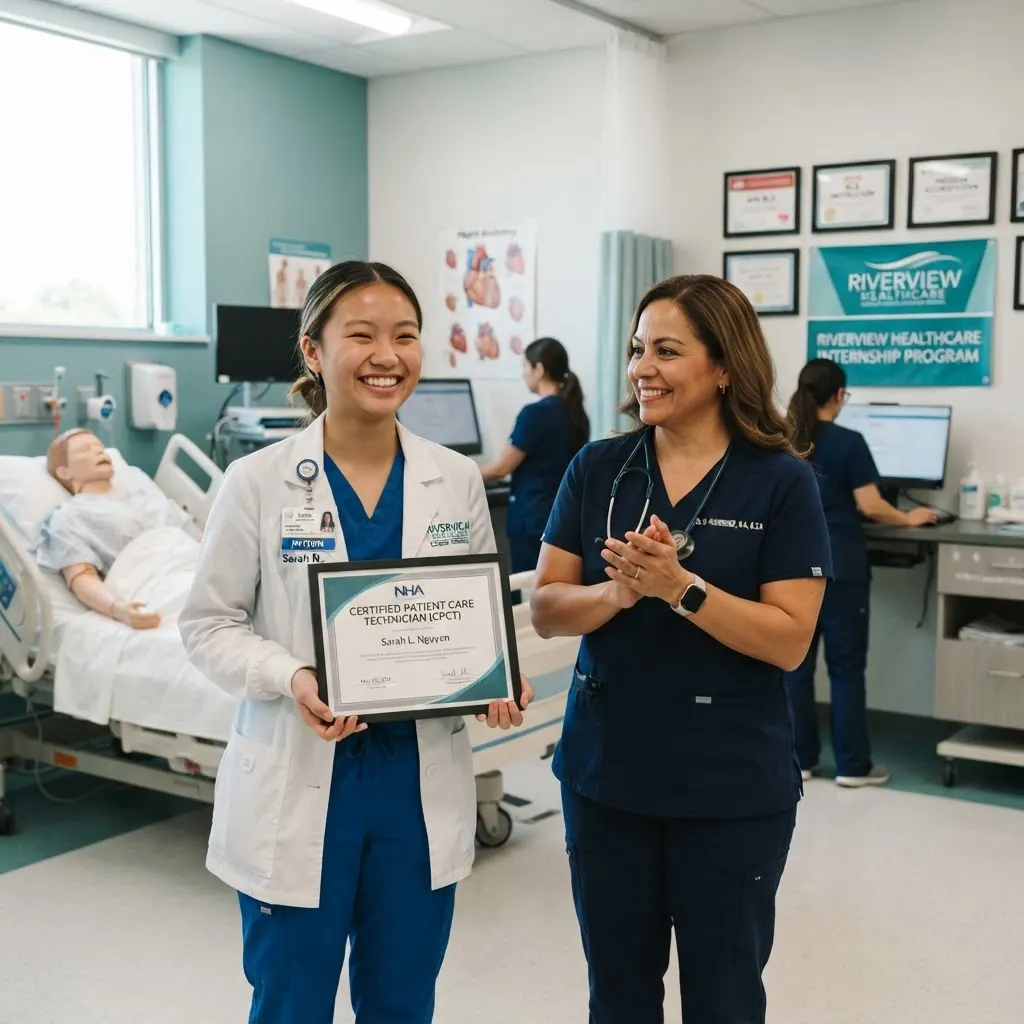
Instead of proving readiness through tests, students will demonstrate mastery through real work: presentations, project-based assignments, senior capstone projects, and — crucially — internships, apprenticeships, and work-based learning experiences.
Here's the timeline:
- Fall 2026: Ninth graders stop needing Regents exams to graduate.
- Fall 2027–2028: New graduation requirements roll out, including a mandatory Career and Technical Education (CTE) credit.
- Fall 2029: Full competency-based diploma system takes effect.
What This Means for Your Program
Three things happen immediately when you read this timeline:
First, work-based learning goes from optional enrichment to a required graduation pathway. That's not "encourage students to pursue WBL." That's every student in a CTE pathway needs documented WBL experience as evidence of competency mastery. Every. Single. One.
Second, you can no longer track WBL placements the old way. If a diploma represents demonstrated competency, you can't report "student completed 54 hours at XYZ employer." You have to report "student demonstrated critical thinking, communication, and academic preparation through verified work experience." That's a completely different data structure.
Third, your advisory committee just became your curriculum validation engine. If competency mastery replaces exam scores, industry members will be the ones who credibly say "yes, this student can actually do the work." That's not nice to have. That's your legal proof that graduation requirements were met. (If your committee isn't ready for that role, start with our guide to building a CTE advisory committee that actually shows up.)
The Honest Truth About Your Current System
If you're reading this and realizing your current tracking system can't answer these questions, you're not alone. Most coordinators right now:
- Can't quickly tell which students are meeting WBL hour thresholds disaggregated by competency area.
- Don't have a documented record of student work quality or demonstrated skills (you have hours, not evidence).
- Can't report which competencies were demonstrated in which work settings.
- Don't have employer confirmation of student readiness built into your placement system.
- Rely on spreadsheets that capture placement data but not competency mastery.
If that describes you, the next three years are your reset window. Use it.
What You Need to Do Right Now (Summer 2026)
You have until fall 2029 to build the system, but the students affected are already in your pipeline. The fall 2027 ninth graders who will graduate under the new system in 2030 are currently deciding whether to enroll in your CTE pathway. You need a plan before they arrive.
Step 1: Align Your Advisory Committee to the Portrait of a Graduate
Your next advisory meeting should have one agenda item: mapping your current WBL placements and learning objectives to the eight competencies. You don't have to rebuild everything. You just have to be able to document that the work students do demonstrates real competency. Bring sample placement agreements to that meeting and ask your industry members: "Which of these eight competencies does a student actually demonstrate when they work in your business?"
When your advisory committee can articulate that alignment, you've done the hardest intellectual work. The documentation work follows.
Free Download
WBL Competency Mapping Template
A ready-to-use worksheet for aligning your work-based learning placements to New York's eight Portrait of a Graduate competencies. Includes competency definitions, a worked example row, a blank mapping table, and validation questions for your advisory committee.
Download the Competency Mapping Template (.docx)Step 2: Redesign Your Learning Objectives Template
Your training agreements and placement forms currently say something like "student will learn to operate the band saw safely and identify wood grain." That's task mastery. Under the new system, you need: "Through safe band saw operation and wood grain identification, student will demonstrate critical thinking (problem-solving in tool selection), communication (following written and verbal instruction), and academic preparation (material science concepts)." Our free WBL training agreement template has a learning-objectives table with an optional graduation-competency column for exactly this.
This is not busywork. This is the legal foundation for your diploma. If an auditor asks "how does this placement prove competency?" your learning objectives have to answer it. The competency mapping template above is built to walk you through exactly this exercise, placement by placement.
Step 3: Build Employer Confirmation Into Your Site Visit Protocol
Your current site visit probably captures: hours logged, safety, student attendance, supervisor satisfaction. Add one more question to your protocol: "Can you confirm this student demonstrates [specific competency]? What's an example of when you saw that?" Get the supervisor to write it down. That's your evidence.
This becomes exponentially easier if your tracking system captures this conversation and links it to the specific competency area. If you're managing this in spreadsheets and email, the documentation work will kill you in year two.
Step 4: Plan Your Perkins V Reporting Evolution
The state is going to ask for competency mastery data disaggregated by special populations, just like they ask for hour data now. That means your Perkins V reporting has to show: "68% of students with IEPs demonstrated critical thinking competency through WBL," not just "22 IEP students completed 54 hours." (For the reporting fundamentals, see our guide to WBL reporting and compliance and our Perkins V work-based learning reporting guide.)
You can't answer that question if your system doesn't separate competency tracking from hour tracking. Start now planning how your data architecture changes.
The Competitive Advantage for Coordinators Who Move First
Schools that nail this transition first get three advantages:
- Credibility with families: A diploma that represents "demonstrated readiness" backed by industry confirmation is more valuable than a diploma with a higher GPA but no proven job readiness.
- Recruitment of students: "Our WBL placements directly count toward graduation competencies" is a way stronger pitch than "WBL is a nice addition to your grades."
- Faster placement growth: Employers see this as validation. When you can say "every student working with you helps fulfill state graduation requirements," you're not asking for a favor — you're offering them a strategic role in diploma attainment.
If your program is currently struggling to recruit students or employers, this regulatory change is your reset button.
What to Tell Your Principal Right Now
"New York just made WBL a required graduation pathway, effective 2029. That means every student in our CTE programs needs documented work-based learning to graduate. Our current system tracks hours but not competency mastery. I'm going to build a plan this summer showing how we redesign placements, learning objectives, and data tracking to meet the new requirements. We can do this in the timeline we've been given, but it requires starting now."
That's a clear ask. That's a timeline. That's credibility.
The Takeaway
New York just moved the goalpost. Work-based learning went from a program enhancement to a graduation requirement. Your advisory committee went from a compliance checkbox to your curriculum validation engine. Your tracking system went from hour counter to competency evidence vault.
This is disruptive if you're not ready. It's an enormous opportunity if you are.
The coordinators who treat the next three years as a reset will have programs that are impossible to argue with. The coordinators who keep doing what they've always done will be scrambling when the auditor arrives in 2029 asking "where's your evidence of competency mastery?"
Start with your advisory committee. Map competencies to real work with the free mapping template. Redesign your learning objectives. Build evidence capture into your site visits. Get your data system ready.
That's the playbook for the next year.

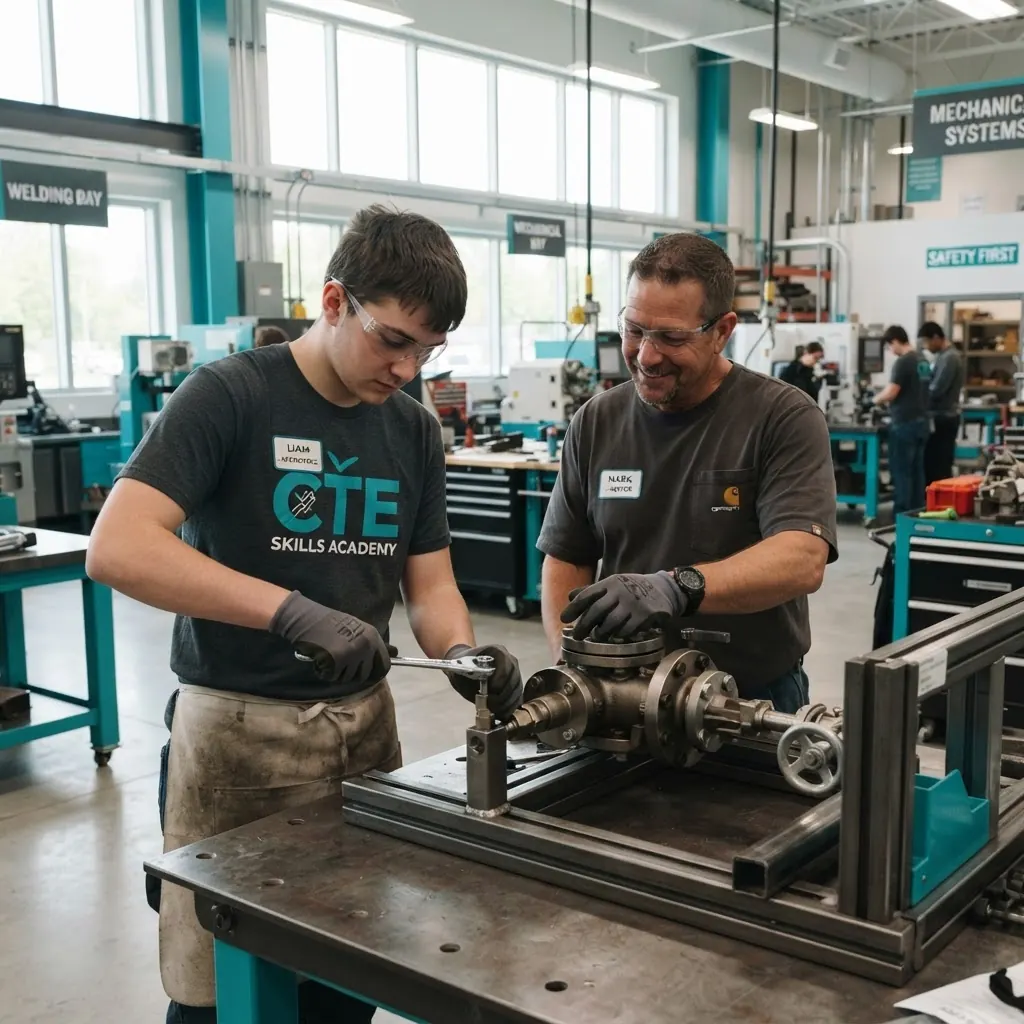
Students collaborating in a work-based learning environment
About the Author
WBL Tracker Team
Education Technology Experts
The WBL Tracker team consists of former educators and coordinators who understand the challenges of managing work-based learning programs. We're dedicated to helping schools save time and improve student outcomes.
Ready to Transform Your WBL Program?
Join coordinators who are saving 10+ hours per week with automated tracking and compliance reporting.